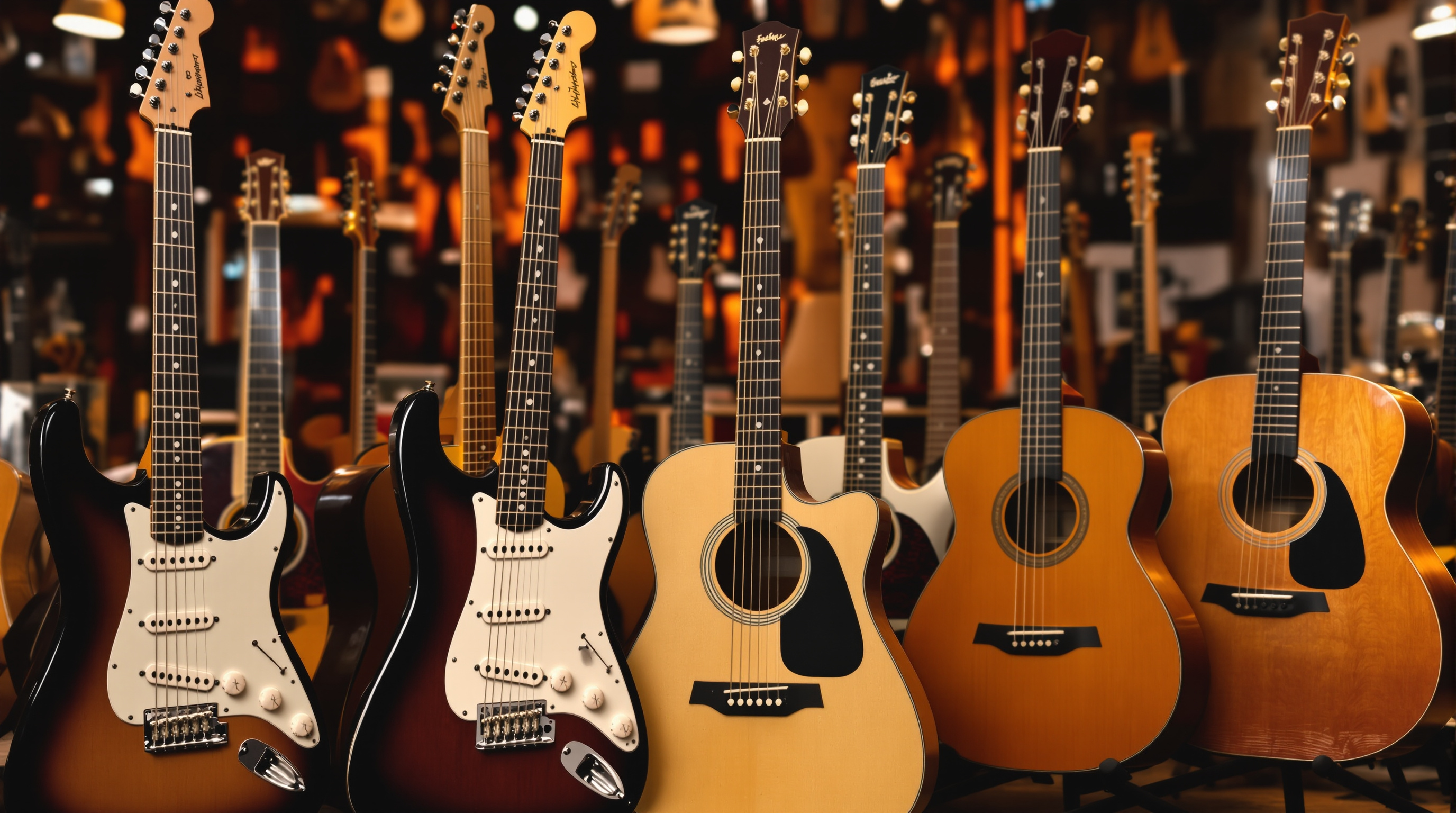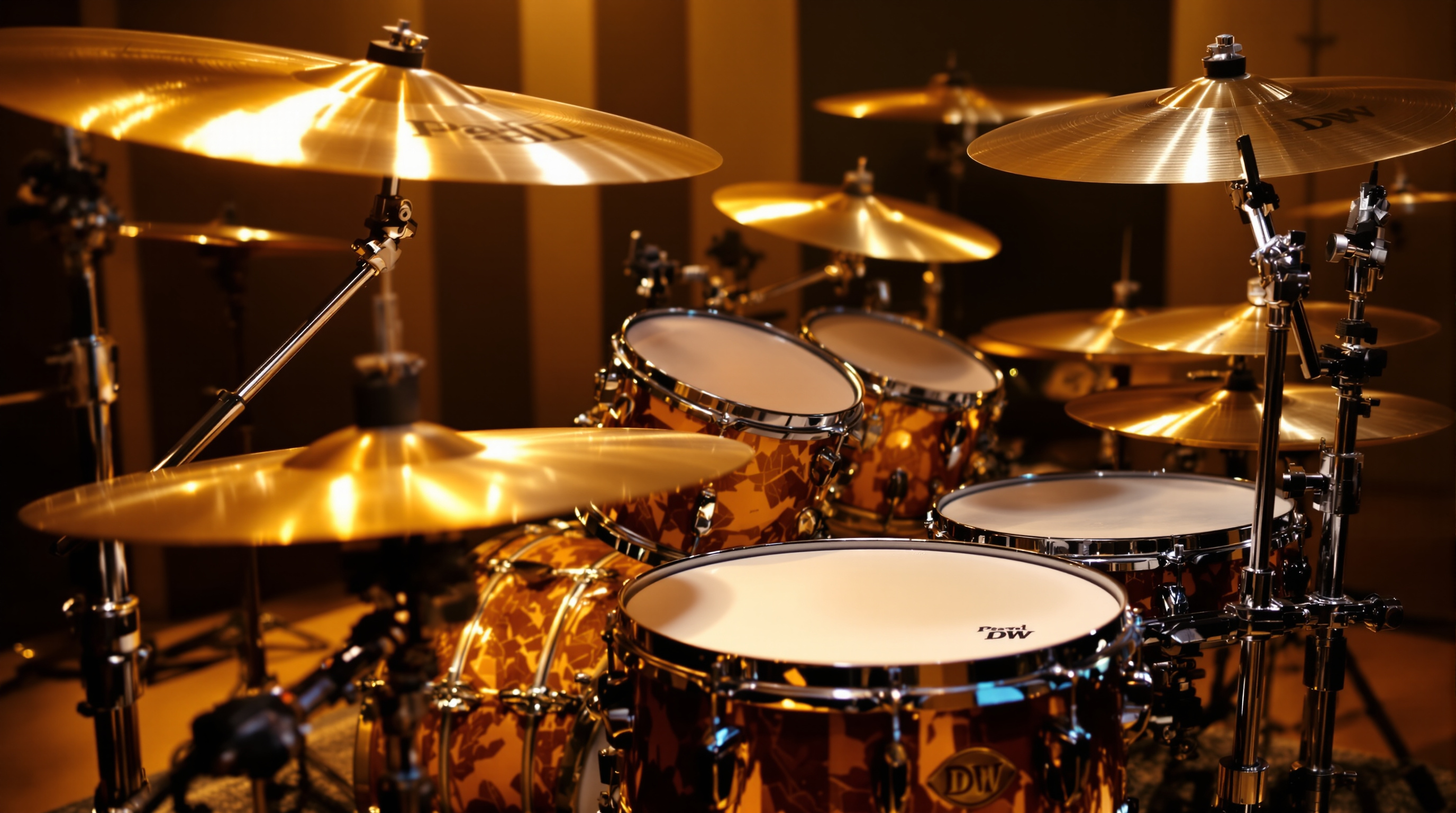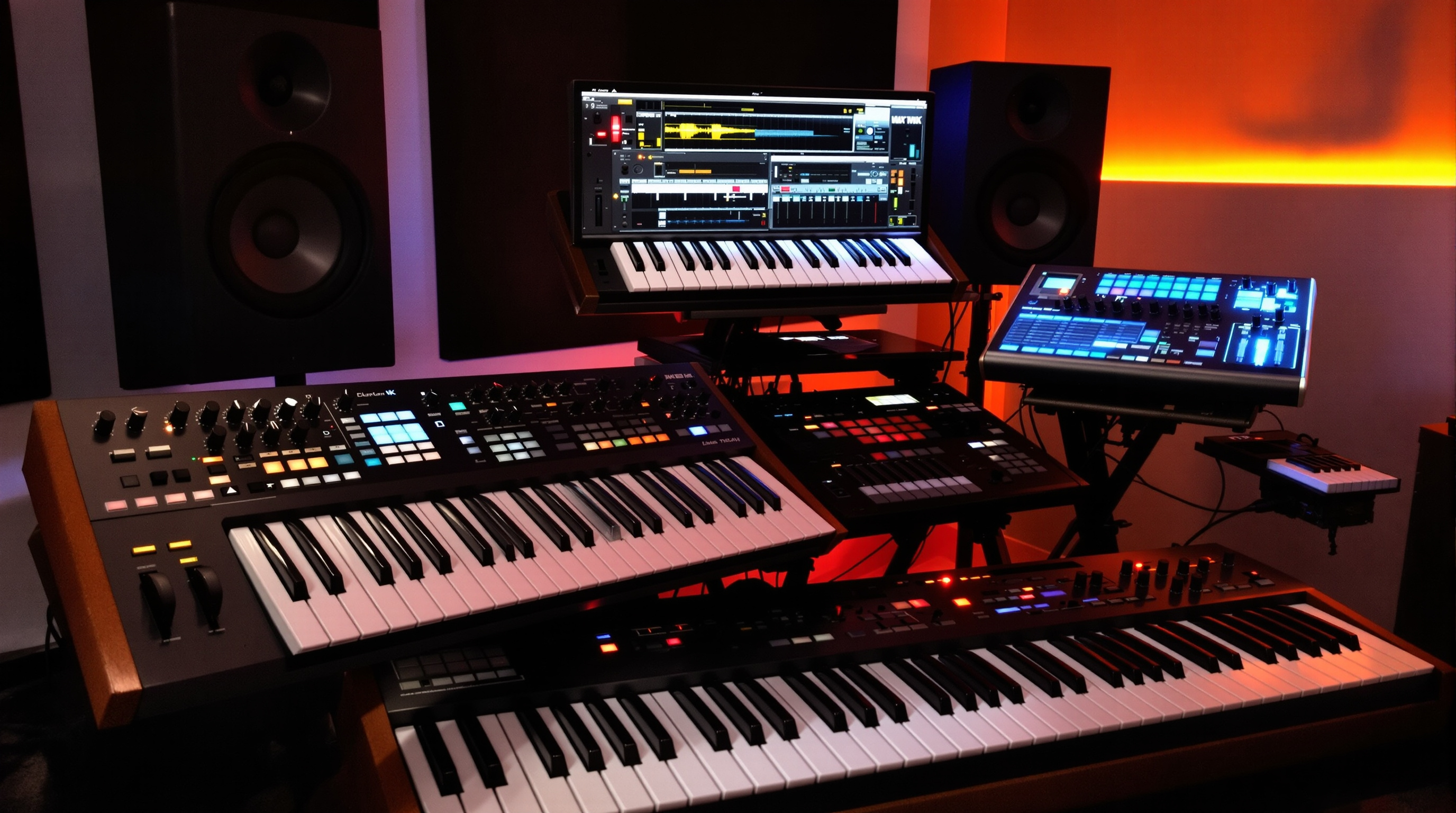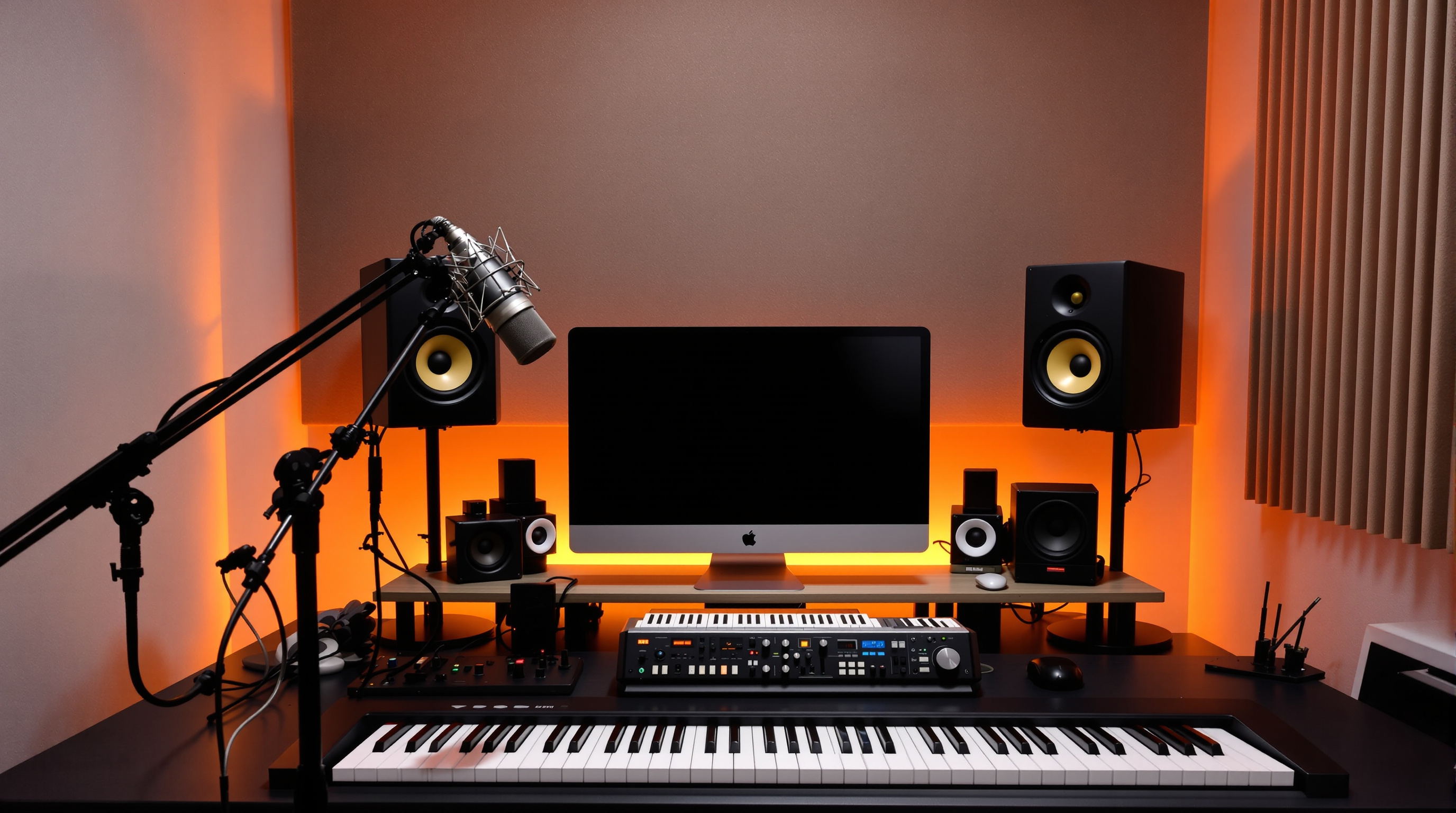
Making the right instrument purchase requires understanding your needs, budget, and the options available. Our buying guides help musicians at every level make informed decisions that they'll be happy with for years to come.
Buying for Beginners
For beginners, we recommend starting with quality entry-level instruments from reputable manufacturers. Avoid the cheapest instruments available - poorly made instruments can be difficult to play and discourage beginners before they develop skills.
Quality starter instruments from brands like Yamaha, Fender (Squier line), Epiphone, and Roland offer reliable performance at accessible prices. These instruments are designed to be playable and hold up to regular use while remaining affordable.
Intermediate Upgrades
As skills develop, intermediate players benefit from upgrading key components or instruments. Sometimes a better amplifier makes more difference than a new guitar. Other times, a professional-quality instrument inspires practice and enables techniques impossible on entry-level gear.
Consider what's limiting your current playing. If your instrument plays well but lacks tonal options, perhaps effects or amplification upgrades make sense. If playability is the issue, a better instrument is the answer.
Professional Equipment
Professional musicians require instruments that meet the demands of regular performance and recording. This doesn't necessarily mean the most expensive option - many professionals choose specific instruments for their character rather than price tag.
Professional gear should be reliable under performance conditions, offer the specific features and tones required, and inspire confidence. Many professionals own multiple instruments for different applications.
New vs. Used Instruments
Used instruments can offer exceptional value, allowing access to higher-quality gear at reduced prices. Guitars and many acoustic instruments age well and may improve over time. Electronic equipment should be tested carefully for functionality.
When buying used, research fair prices, inspect carefully for damage or excessive wear, and test thoroughly before purchasing. Reputable music shops often offer used gear with limited warranties.
Vintage Materials and Provenance
A vintage description is a starting point for questions about age and materials. GOV.UK's ivory guidance requires an exemption for dealing in covered ivory items, including buying, selling and hiring out; the musical-instrument standard exemption requires manufacture before 1975 and less than 20% ivory by volume.
Under GOV.UK's worked-specimen guidance, qualifying instruments worked before 3 March 1947 do not need an Article 10 commercial use certificate. They must meet all the criteria, including no later reworking to change their purpose. The guidance gives Brazilian rosewood floorboards or panelling turned into guitars as an example that does not qualify. Before agreeing a purchase, ask what supports the claimed age and material history. The guide to protected materials in older instruments sets out the distinctions.
Trying Before Buying
Whenever possible, try instruments in person before purchasing. Playability, comfort, and sound are subjective - what works for one player may not suit another. Even identical model instruments can vary in character.
If in-person testing isn't possible, purchase from retailers with generous return policies. Read reviews, watch video demonstrations, and consider the experiences of players with similar needs and preferences.
Budget Considerations
Set a realistic budget that includes all necessary accessories. A guitar purchase should include an amplifier, cable, strap, tuner, and case. Recording setups need interfaces, headphones, and software.
It's often better to start modestly and upgrade as skills and needs develop. The best instrument is one you'll actually play - an affordable guitar that gets daily use beats an expensive one that stays in its case.
Online Purchasing Tips
Buying instruments online requires extra care since you cannot physically inspect items before purchase. Stick to established retailers and marketplaces with buyer protection policies, and always verify return windows before committing. Read multiple reviews from verified purchasers, paying attention to comments about build quality and consistency rather than focusing solely on star ratings.
For high-value purchases, check whether the retailer offers a setup service or inspection before shipping. Many reputable online music retailers will perform a basic setup and quality check, ensuring your instrument arrives ready to play rather than requiring immediate adjustments.
Where the Money Is Actually Well Spent
Given a fixed budget, the ranking that serves most players is unglamorous. Spend first on the instrument itself, because it is the part you touch and the part that determines whether you keep playing. Spend second on a setup, which turns a mediocre instrument into a comfortable one for the price of a couple of sets of strings. Spend third on whatever you actually plug into — and only then on effects, which are the most fun and the most easily deferred. The common failure is the reverse order: a modest instrument, no setup, and a pedalboard worth more than everything else combined.
New Versus Used
Instruments depreciate hardest in the first year and then largely stop, so a well-cared-for used instrument at three years old is often the best value in the shop. The trade-off is warranty and recourse. Buying used privately means you carry the risk of anything you failed to spot, which is precisely why the inspection checklist matters. Buying used from a dealer costs more but usually includes a setup and some form of return window. Whichever route you take, budget separately for a professional setup on arrival — almost nothing sold second-hand arrives properly adjusted, and it is the difference between an instrument you play and one that stays in its case.